WHO WE ARE
A MISSION BUILT FROM LOVE AND PURPOSE
Founded in 2026, The Morgan Mission was created from a deeply personal journey and a powerful commitment to make a difference. What began as a family’s determination to understand and support their daughter’s diagnosis has grown into a mission to help families everywhere facing Loeys-Dietz Syndrome.
BETTER OUTCOMES
OUR MISSION
The Morgan Mission is dedicated to improving the lives of those affected by Loeys-Dietz Syndrome through a commitment to awareness, support, and connection. We envision a world of better outcomes and deeper support for patients and their families and strive to empower those impacted by LDS while cultivating a compassionate community where no one navigates their journey alone.
CONNECTED COMMUNITY
OUR FOCUS
We center our mission around three key areas that guide our work and impact: raising awareness, driving meaningful support, and building a strong, connected community for families affected by Loeys-Dietz Syndrome.
RAISING AWARENESS
Increasing recognition and understanding of Loeys-Dietz Syndrome to support earlier diagnosis and improved outcomes.
DRIVING SUPPORT
Supporting research, programs, and families through meaningful initiatives and community-driven efforts.
BUILDING CONNECTION
Creating a compassionate space where families can find support, resources, and belonging.
OUR STORY
THE JOURNEY BEHIND THE MISSION
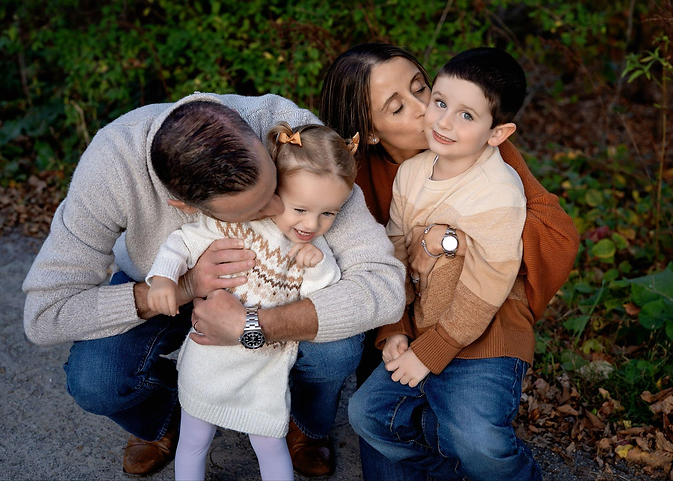
The Morgan Mission was founded in 2026 by Jen Hines after her daughter, Morgan, was diagnosed in July 2025 at the age of 19 months with Loeys-Dietz Syndrome following a lifelong journey with developmental concerns, physical differences, and a series of abnormal tests. In the wake of the diagnosis, Jen and her husband, Ryan, found themselves processing a sudden range of emotions.

UNDERSTANDING LDS
WHAT IS LOEYS-DIETZ SYNDROME?
Loeys-Dietz Syndrome (LDS) is a rare genetic condition that affects the body’s connective tissue. It can lead to serious cardiovascular complications, including arterial aneurysms and related risks.
There is currently no cure for LDS.
Care focuses on early diagnosis, ongoing monitoring, and proactive management.